


What Are the Pros and Cons of Living in Atlanta?
Atlanta has a lot going for it. You get the career opportunities and entertainment options of a major metropolitan area, neighborhoods that can feel surprisingly green and residential, four distinct seasons, and one of the most connected airports in the country. Hartsfield-Jackson offers nonstop service to more than 160 domestic and 80 international destinations, which is a major advantage for frequent travelers or anyone with family spread across the country.
But living in Atlanta also comes with tradeoffs. Traffic can shape where you choose to live, summers are reliably hot and humid, and housing is not the bargain it once was. Census data puts the median value of owner-occupied homes in the city at $439,600 for 2020 through 2024, while median gross rent was $1,711. The National Weather Service, meanwhile, describes North Georgia summers as long stretches of warm, humid weather, with afternoon highs commonly reaching the upper 80s to around 90 degrees.
That mix is exactly why Atlanta can be difficult to judge from a weekend visit. Whether it feels convenient, affordable, exciting, or frustrating depends heavily on where you live, where you work, and what you want from your day-to-day lifestyle.
In this guide, we’ll break down the biggest pros and cons of living in Atlanta, including the job market, housing options, transportation, weather, neighborhoods, recreation, and access to travel. By the end, you should have a much clearer idea of whether Atlanta fits the kind of life you want to build.
Key Takeaways
Atlanta offers strong big-city advantages without feeling urban everywhere. Residents can access a large employment market, major entertainment and dining options, established residential neighborhoods, trails, parks, and suburban communities within the same metro area.
Your location within Atlanta can have a major impact on your quality of life. Traffic and commuting remain important considerations. In the Atlanta Regional Commission’s 2025 commuter survey, longer travel times and limited transit access were two of the most commonly reported obstacles to changing how people commute.
Housing costs require more planning than Atlanta’s old reputation for affordability might suggest. Within Atlanta city limits, the median value of owner-occupied housing was $439,600 for the 2020 through 2024 Census reporting period, while median household income was $85,652.
Atlanta is especially appealing for people who travel frequently. Hartsfield-Jackson Atlanta International Airport provides nonstop service to more than 160 domestic and 80 international destinations, putting much of the United States within a relatively short flight.
The best fit depends heavily on lifestyle priorities. Atlanta can make sense for buyers who value career opportunities, cultural amenities, green space, and access to a major airport. Buyers who dislike driving, hot humid summers, or longer commutes may find some parts of the metro less appealing.

The Pros of Living in Atlanta
1. Atlanta Has a Large and Diverse Job Market
One of the strongest arguments for living in Atlanta is access to a large employment market that is not dependent on just one industry.
The Atlanta metro had more than 3.1 million nonfarm jobs as of June 2026. Professional and business services accounted for roughly 569,000 jobs, while education and health services employed nearly 477,000 people. Trade, transportation, and utilities was even larger, with about 646,000 jobs.
That diversity matters when you are deciding whether to relocate somewhere long term. In a city where one company or industry dominates the economy, an industry downturn can affect a large portion of the local workforce. Atlanta has employers spread across healthcare, aviation, logistics, technology, financial services, higher education, media, manufacturing, government, and professional services.
You can see that variety in the region's largest employers. Delta Air Lines, Northside Hospital, Piedmont Healthcare, The Home Depot, UPS, Emory University, Georgia Tech, Cox Enterprises, State Farm, the CDC, Coca-Cola, Deloitte, Microsoft, and Warner Bros. Discovery all appear among metro Atlanta's major employers.
For someone moving to Atlanta because of a job offer, this creates an additional benefit. Your first employer does not necessarily have to be your last employer in the region. If you change industries, pursue a promotion, or need a different position later, there is a broader pool of companies to explore without automatically having to relocate again.
Atlanta's employment base has also continued to expand over the longer term. The Atlanta Regional Commission reported that the metro area's employment base grew 8% from early 2020 through 2025, placing Atlanta among the stronger-growing major metropolitan areas over that period.
There is an important caveat, though. A large job market does not mean every industry is growing equally at all times. BLS data for June 2026 showed particularly strong year-over-year growth in education and health services, while construction, manufacturing, and some other sectors were down compared with the previous year. If your move depends on finding work after you arrive, it is worth researching your specific profession rather than relying on Atlanta's overall reputation for job growth.
Where your employer is located also deserves serious consideration before you choose a home. Atlanta's major employment centers are spread across Downtown, Midtown, Buckhead, the Perimeter area, and numerous suburban business districts. A house that looks close on a map can feel much farther away during rush hour.
For buyers relocating to the area, this is one reason it often makes sense to identify your likely work location before narrowing down neighborhoods. Saving 20 or 30 minutes each way on a regular commute can have a bigger effect on your daily life than getting an extra bedroom or a slightly larger yard.
Overall, Atlanta is particularly appealing to people who want the career options of a major metropolitan area while still having a wide range of residential environments to choose from. The opportunity is there, but choosing where to live in relation to that opportunity is just as important.

2. You Have a Wide Range of Neighborhoods and Housing Options
Atlanta does not have one standard living experience. Where you choose to live can completely change how the city feels.
The City of Atlanta officially recognizes 242 distinct neighborhoods, which helps explain why two people can live only a few miles apart and have very different experiences with housing, walkability, restaurants, traffic, and access to green space.
For someone moving to Atlanta, that variety is one of the city's biggest advantages.
If you want a denser urban environment, Midtown offers high-rise apartments and condos mixed with offices, restaurants, cultural attractions, and parks. Midtown Alliance describes the area as a walkable mixed-use district, and nearly 2,200 new apartment units were added there in 2024 alone.
Move a few miles away and the housing can look completely different. Inman Park is an officially designated historic district, while areas such as Virginia-Highland combine tree-lined residential streets with neighborhood restaurants, shops, fitness businesses, and other amenities along North Highland Avenue.
Then there is Buckhead, where buyers can find everything from high-rise condos and townhomes to large single-family properties. That makes it possible to stay relatively close to major employment, shopping, and dining areas without necessarily choosing the same type of housing you would find in Midtown or Downtown.
That flexibility extends well beyond Atlanta's city limits.
The broader Atlanta region is enormous. The Atlanta Regional Commission estimated that its 11-county region had nearly 5.3 million residents in 2025, compared with a 2025 population estimate of about 529,000 for the City of Atlanta itself.
In practical terms, "living in Atlanta" could mean living in a condo near Midtown, a historic home in an intown neighborhood, or a single-family property in one of the many communities farther from the urban core.
That gives buyers more ways to match their home to their lifestyle.
Someone who prioritizes being able to walk to restaurants, entertainment, or work may be willing to trade square footage for a more central location. A buyer who wants a larger home, more outdoor space, or a quieter residential setting may be comfortable moving farther from the center of the city.
There is also a meaningful mix of renting and homeownership within Atlanta itself. Census estimates for 2020 through 2024 put the city's owner-occupied housing rate at 46.4%, meaning renting remains a major part of the local housing market as well.
That can be useful if you are relocating and do not know the area well yet. Renting for a year before buying can give you time to experience your commute, learn which neighborhoods you spend the most time in, and figure out whether your initial assumptions about Atlanta actually match your day-to-day life.

The Neighborhood You Choose Matters More Than You Might Expect
One mistake people sometimes make when moving to Atlanta is choosing a home based primarily on price and distance.
Atlanta is spread out enough that five additional miles can matter considerably depending on the roads involved, your work schedule, and where you regularly need to go. Census data puts the mean commute for Atlanta city workers at 26.5 minutes, but an individual commute can vary substantially depending on origin, destination, and time of day.
That is why it helps to think about your weekly routine before choosing a neighborhood.
Instead of asking only, "How far is this house from Downtown Atlanta?" consider questions such as:
Where will I work, and how often will I commute?
Do I want restaurants and coffee shops within walking distance?
How often will I need to reach the airport?
Do I prefer a condo, townhome, historic home, newer construction, or a larger single-family property?
How important are parks, trails, shopping, or nightlife to my routine?
Am I comfortable driving for most errands?
Would I rather spend more for location or commute farther to get more space?
Those questions often narrow the search much faster than simply looking at a map of popular Atlanta neighborhoods.
The benefit of Atlanta is that there are enough distinct communities to accommodate very different priorities. The drawback, which we will get into later, is that choosing the wrong location for your routine can leave you spending much more time in the car than you expected.

3. There Is No Shortage of Things to Do
Another major advantage of living in Atlanta is that you do not have to work very hard to find something to do on a weekend.
The city has professional sports, major concerts, museums, theaters, food halls, festivals, parks, trails, breweries, neighborhood events, and a restaurant scene that ranges from Southern staples to cuisines from around the world. That variety is especially useful if you are relocating from a smaller city where entertainment options may be more limited.
For sports fans, Atlanta is home to several major professional teams, including the Atlanta Braves, Atlanta Falcons, Atlanta Hawks, and Atlanta United. Atlanta United in particular has developed one of the strongest fan bases in Major League Soccer. The club has set league records for season-ticket sales and home attendance, and it plays at Mercedes-Benz Stadium in the heart of the city.
Living here also puts you on the regular touring circuit for major musicians, comedians, and live productions. Mercedes-Benz Stadium, State Farm Arena, the Fox Theatre, and numerous smaller venues give residents a wide range of options throughout the year.
And Atlanta's cultural scene goes considerably deeper than large sporting events and concerts.
The city has long played an important role in music, particularly hip-hop, while also supporting a large arts, theater, film, and festival community. Atlanta's official tourism organization highlights an ongoing calendar of cultural events, performances, festivals, exhibitions, and neighborhood activities throughout the year.
That means entertainment does not always require buying an expensive ticket. Depending on the time of year, you can find free community events, outdoor markets, public art, neighborhood festivals, and performances around the city.
Atlanta Has a Food Scene Worth Exploring
If restaurants are a major part of your lifestyle, Atlanta gives you plenty to work with.
You will find polished restaurants in Midtown and Buckhead, neighborhood spots throughout the city's intown communities, food halls such as Krog Street Market and Ponce City Market, and international dining throughout the broader metro.
Atlanta's food culture is also shaped by the region's international population. The Atlanta Convention & Visitors Bureau has highlighted the growing influence of immigrant communities and global cuisines on the city's restaurant scene.
One of the more interesting things about eating in Atlanta is that the best-known areas are not necessarily the only places worth exploring. Some of the metro's strongest international dining corridors are outside the central business districts, which rewards residents who are willing to explore beyond their immediate neighborhood.
That does come with one Atlanta-specific reality: getting to a restaurant on the other side of the metro can sometimes become an outing in itself. You may technically have hundreds of dining choices, but the ones you use regularly will often be determined by where you live and how much traffic you are willing to deal with.
Atlanta Is Much Greener Than Many People Expect
People seeing Downtown or Midtown for the first time sometimes picture Atlanta as a typical concrete-heavy major city. Once you start exploring the neighborhoods, that impression changes quickly.
The city manages approximately 4,458 acres of parkland, according to Atlanta's Office of Natural Resources. Mature trees are also a defining feature of many residential neighborhoods, which helps parts of Atlanta feel surprisingly leafy despite being in the middle of a large metropolitan area.
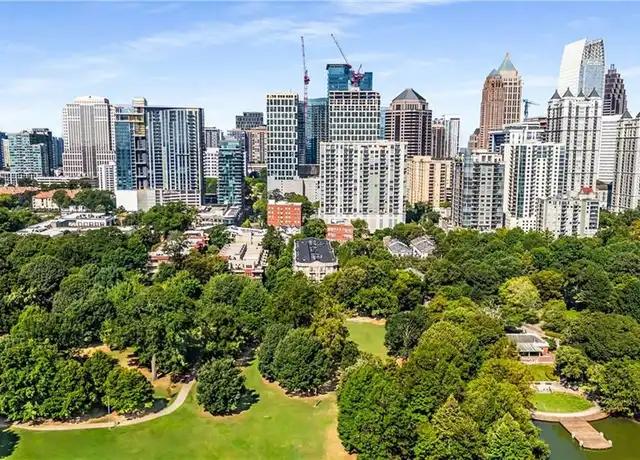
Piedmont Park is probably the best-known example. Located beside Midtown, it gives residents access to large lawns, walking and running routes, recreation facilities, community events, and skyline views without leaving the urban core.
But the Atlanta BeltLine has arguably had an even larger influence on how residents experience the city.
The BeltLine is being developed as a 22-mile loop connecting 45 Atlanta neighborhoods through trails, parks, public spaces, businesses, and eventually transit. In June 2026, the project reached a major milestone when 16.7 continuous miles of the mainline trail became available to users.
For residents living near completed sections, the BeltLine can become part of everyday life rather than simply a tourist attraction. People use it to walk dogs, run, bike, meet friends, visit restaurants, reach parks, or spend an afternoon outside.
Restaurants, breweries, public art, markets, and other businesses have developed along portions of the route, particularly around the Eastside Trail. The result is a recreational amenity that also connects different parts of the city's social and commercial life.
Atlanta also has numerous smaller parks, neighborhood green spaces, and trail systems. PATH400 in Buckhead provides another example of how walking and biking infrastructure is being incorporated into densely developed parts of the city. Atlanta's tourism organization specifically highlights the BeltLine and PATH400 as options for walking and biking between neighborhoods and nearby amenities.
Weekend Trips Are Easy, Too
One benefit of Atlanta's location that can get overlooked is the number of places you can reach without getting on an airplane.
Head north and you can reach the North Georgia mountains for hiking, cabins, wineries, waterfalls, and small mountain towns. Lake destinations are also within reach, while cities such as Chattanooga provide another reasonable option for a short trip.
If you are willing to drive farther, Atlanta also gives you relatively straightforward access to destinations throughout Georgia and the Southeast.
That makes the city a good base for people who enjoy having big-city amenities during the week but want outdoor or small-town options on weekends.
Of course, Atlanta's outdoor lifestyle comes with a significant seasonal tradeoff. Summer heat and humidity can make midday outdoor activities much less appealing for part of the year. We will cover that more closely when we get into the disadvantages of living here.
For most residents, though, the sheer variety is a significant positive. You can spend one weekend at a professional sporting event or concert and the next walking the BeltLine, visiting a neighborhood market, or heading toward the mountains.
That range helps Atlanta avoid feeling one-dimensional, and it gives people with very different interests plenty of ways to make the city their own.

4. Atlanta Is One of the Best-Connected Cities for Air Travel
If you travel frequently for work, visit family in other states, or simply like taking trips, Hartsfield-Jackson Atlanta International Airport is one of Atlanta's most practical advantages.
ATL currently offers nonstop service to more than 150 destinations within the United States and 70 international destinations in more than 50 countries.
That level of connectivity changes what travel looks like when you live here.
Instead of routinely connecting through another major hub, Atlanta residents can often find direct flights to major cities across the United States. International travelers also have direct options to destinations across Europe, Latin America, the Caribbean, and other parts of the world.
For frequent flyers, avoiding a connection is more than a minor convenience. It can shorten the total travel day, reduce the chance of missing a connecting flight, and make short trips considerably easier to justify.
Imagine having family in New York, Chicago, Dallas, Miami, Los Angeles, or another major market. Living in Atlanta generally gives you multiple flight options rather than forcing you to build an entire day around a limited schedule.
That can be particularly valuable for people whose jobs involve regular travel.
You Can Reach the Airport by Train
Atlanta is often described as a car-dependent city, and there is plenty of truth to that. The airport, however, is one place where the city's rail system can be especially useful.
MARTA's Red and Gold rail lines travel directly to Airport Station. The station sits at the Domestic Terminal between the north and south baggage claim areas.
That gives residents living near MARTA rail stations an alternative to driving, paying for airport parking, or arranging a rideshare.
For example, someone living or working near Midtown can get on a southbound train and remain on the rail system until reaching the airport. The same basic convenience applies to several other neighborhoods and employment areas connected to the Red or Gold lines.
There is one detail international travelers should understand. MARTA rail terminates at the Domestic Terminal rather than directly inside the International Terminal. Travelers who need the International Terminal can use the airport's connecting transportation options, including the free shuttle available outside baggage claim.
That still makes Atlanta somewhat unusual among sprawling Sun Belt metros. You may rely heavily on a car for many parts of daily life, but you do not necessarily need one to get to your flight.
Where You Live Still Affects Airport Convenience
Having a major airport in your city does not mean everyone reaches it equally easily.
Hartsfield-Jackson sits south of Downtown Atlanta. If you live in Midtown, Downtown, or another centrally located area, airport access can be relatively straightforward. If you live farther north or deep into the suburbs, reaching ATL during busy traffic periods can take considerably longer.
This is another reason people moving to Atlanta should think beyond simple mileage.
A property may look reasonably close to the airport on a map, but your actual experience will depend on the roads you use, the time of day you normally travel, and whether you have convenient access to MARTA.
Frequent travelers may even decide that being near a rail station is worth paying more for a home or accepting slightly less square footage.
The Airport Is Also a Major Part of Atlanta's Economy
Hartsfield-Jackson is not simply a transportation amenity. It is an important employment and economic engine for the region.
The airport reports more than 63,000 jobs on-site, which helps reinforce Atlanta's role as a major center for aviation, logistics, hospitality, and business travel.
That connectivity also helps explain why so many companies maintain regional or national operations in metro Atlanta. For businesses that need employees to move around the country quickly, access to a large airline hub is a significant advantage.
For a resident, though, the benefit is much simpler.
You can finish work on Friday, get to the airport, and have an enormous number of destinations available without first flying somewhere else to make a connection.
If travel is an important part of your lifestyle, Atlanta is difficult to overlook.
The Cons of Living in Atlanta
Atlanta's advantages are substantial, but they come with some genuine tradeoffs.
The same sprawling metropolitan footprint that provides so many neighborhood and housing choices can make getting around frustrating. Housing costs have risen from the levels that originally gave Atlanta its reputation for affordability. Summers can be uncomfortable, and depending on where you live, relying on a car may feel less like a choice and more like a requirement.
Those drawbacks do not automatically make Atlanta a bad place to live. They simply need to be part of the decision.
The biggest one for many residents is traffic.
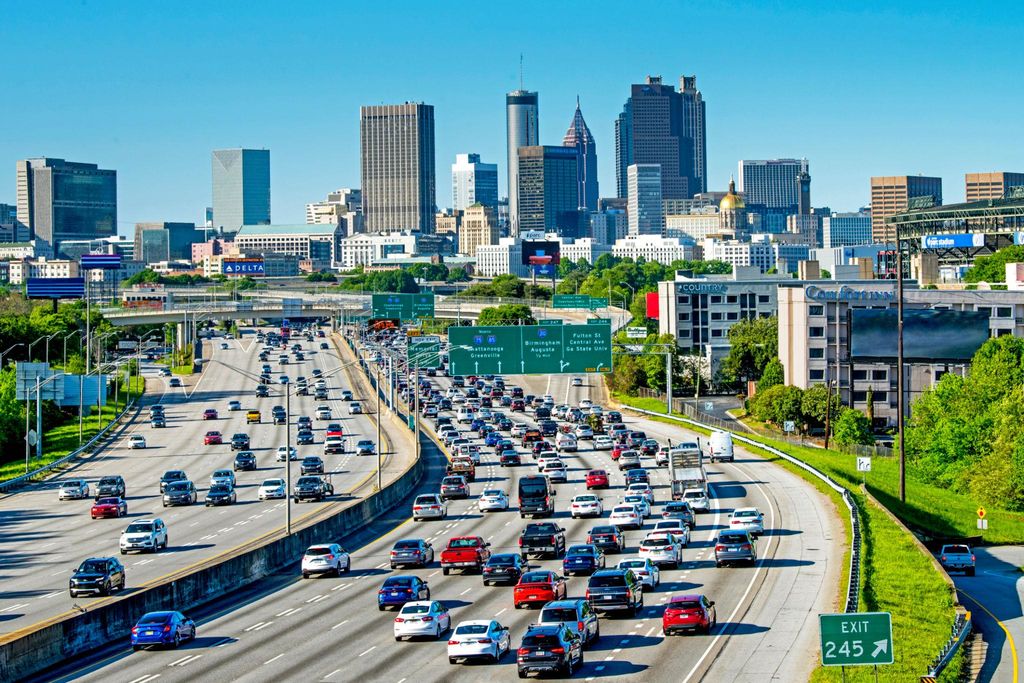
1. Traffic Can Have a Big Impact on Your Daily Routine
If there is one Atlanta drawback that deserves serious consideration before moving here, it is traffic.
Atlanta is a large, spread-out metropolitan area with employment centers, neighborhoods, shopping districts, schools, and entertainment destinations scattered in multiple directions. That means daily life often involves more driving than newcomers initially expect.
The numbers only tell part of the story. Within the City of Atlanta, the mean travel time to work was 26.5 minutes for workers age 16 and older during the 2020 through 2024 Census reporting period. A 26-minute average might not sound particularly concerning, but averages can hide major differences between individual commutes.
Someone who lives near Midtown and works in Midtown could have a very manageable commute. Someone who lives on one side of the metro and works on the other could spend considerably more time getting back and forth.
Traffic is also highly dependent on when you travel.
Morning and afternoon rush hours can slow down major highways including I-75, I-85, I-285, and portions of Georgia 400. Accidents, construction, bad weather, sporting events, and major conventions can make an already busy commute even less predictable.
This is why Atlanta residents frequently talk about distance in terms of time instead of miles. A destination being 10 or 15 miles away does not necessarily mean you will get there quickly.
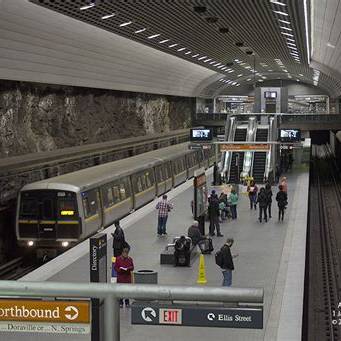
Car Dependence Is a Real Consideration
Atlanta does have public transportation, but whether it can replace a car depends heavily on where you live and where you need to go.
MARTA operates rail and bus service across the area, with 38 rail stations and more than 100 bus routes listed by the agency. If both your home and workplace are convenient to the rail network, public transportation can make certain commutes much easier.
That is especially true along parts of the Red and Gold lines, which serve areas including Downtown, Midtown, Buckhead, Sandy Springs, and the airport. Residents near stations may be able to commute, attend events, or reach Hartsfield-Jackson without driving the entire trip.
The limitation is coverage.
Atlanta's metropolitan area extends far beyond the rail network, and many suburban residential areas and employment centers are not located within easy walking distance of a station. The Atlanta Regional Commission's 2025 Regional Commuter Survey illustrates the problem. Among respondents discussing barriers to alternative commuting methods, 47% cited longer travel times and 44% said transit was not available for their trip.
That does not mean living in Atlanta without a car is impossible. It means you need to choose your location intentionally if that is your goal.
Someone living in a dense part of Midtown near work, groceries, restaurants, MARTA, and the BeltLine may use a vehicle relatively infrequently. Someone living in a farther-out suburban community could need a car for commuting, groceries, school drop-offs, restaurants, appointments, and most everyday errands.
Those are two very different versions of Atlanta living.
Remote and Hybrid Work Can Change the Equation
The growth of remote and hybrid work has made Atlanta traffic less important for some households.
According to the Atlanta Regional Commission's 2025 commuter survey, 60% of surveyed workers reported some level of teleworking, compared with 43% in 2019. Twenty percent said they worked remotely full time or teleworked at least five days per week.
For someone who only travels to an office once or twice a week, accepting a longer commute may be a reasonable trade for a larger house, more outdoor space, or a preferred suburban community.
The calculation changes considerably if you make that trip five days a week.
A 45-minute commute each way is an hour and a half in the car every workday. Over five days, that adds up to 7.5 hours before accounting for particularly bad traffic days.
This is why a home's commute should be treated almost like one of its features.
Buyers naturally compare square footage, kitchens, yards, garages, school options, and neighborhood amenities. In Atlanta, the amount of time it takes to reach the places you visit every week deserves a similar level of attention.
Test the Commute Before You Buy
Online maps are useful when narrowing down an area, but they should not be your only reference.
If you are considering a particular neighborhood, check the drive at the actual times you would normally commute. A route that takes 22 minutes at 11 a.m. may feel completely different at 5:15 p.m.
You should also think beyond work.
Where will you buy groceries? Where is your gym? How often do you go to the airport? Where do friends or family live? If you have children, where will school and activities be located? Which part of Atlanta do you expect to visit for restaurants or entertainment?
A home can have an easy work commute and still leave you driving across town several evenings every week.
For buyers with flexibility, one of the best ways to deal with Atlanta traffic is simply to live close to the places that matter most.
You may decide that a smaller home in a more central neighborhood is worth the convenience. Or you may decide that additional space in the suburbs is worth spending more time behind the wheel.
Neither choice is automatically better. The mistake is making that tradeoff without realizing it.
Traffic is unlikely to disappear as an Atlanta consideration, even as work patterns change. The Atlanta Regional Commission's latest survey found that the region still relies heavily on single-occupancy travel, despite the persistence of telework.
For someone considering a move, the practical takeaway is simple: do not choose an Atlanta home based on the property alone. Choose it based on the life you will have to live from that address.
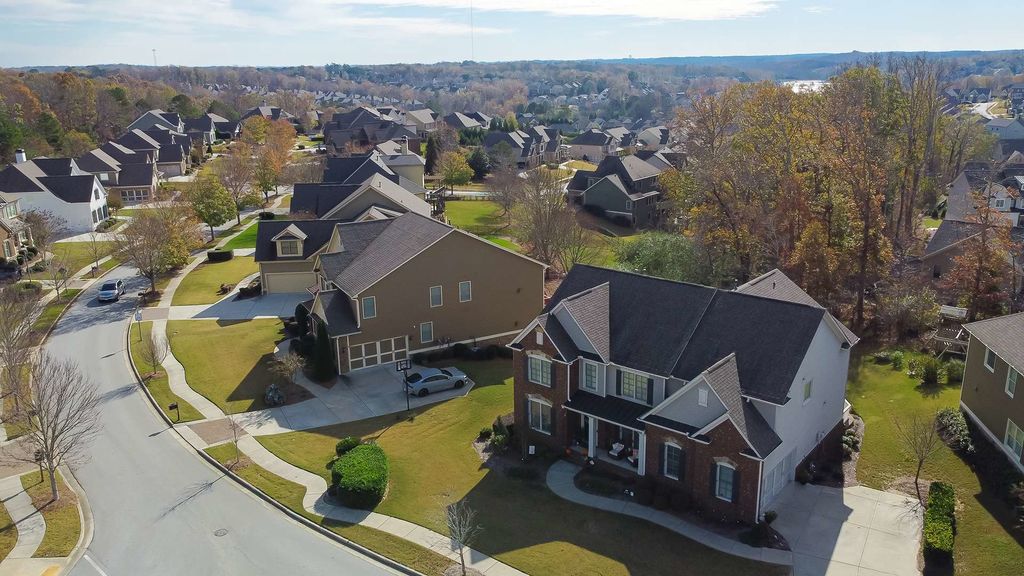
2. Atlanta Is Not as Affordable as It Used to Be
For years, Atlanta had a reputation as a place where you could get big-city opportunities without paying big-city housing prices.
That reputation is becoming harder to rely on.
Atlanta can still look relatively affordable when compared with some of the country's most expensive coastal cities, but buyers moving here today should not expect bargain-basement home prices. Over the three months ending June 2026, the median sale price for a home in Atlanta was about $424,769. Homes were taking roughly 50 days to sell, and the median price was up 1.1% compared with the same period a year earlier.
For comparison, the statewide median sale price in Georgia was $373,830 in June 2026. That puts Atlanta's typical sale price about $51,000 above the statewide figure.
The longer-term numbers tell a similar story. Census Bureau estimates for 2020 through 2024 put the median value of owner-occupied homes within Atlanta at $439,600. Median household income during that period was $85,652.
That does not automatically make Atlanta unaffordable for everyone. It does mean your housing budget needs to be realistic before you start falling in love with particular neighborhoods.
Housing Costs Vary Dramatically by Neighborhood
One of the challenges with discussing Atlanta housing prices is that a citywide median can only tell you so much.
Atlanta contains everything from high-rise condos and older apartments to historic single-family homes, new townhomes, renovated bungalows, and luxury properties. Two neighborhoods only a few miles apart can have very different price points.
That is why someone relocating to Atlanta should avoid looking at the citywide median and assuming it represents what they will pay everywhere.
Your actual budget may determine whether you are looking in a central intown neighborhood, a condo market, a more affordable part of the city, or somewhere farther into the metro area.
And moving farther out does not always guarantee the dramatic savings newcomers expect.
The practical question is not simply, "Can I afford Atlanta?"
It is, "Which version of Atlanta can I comfortably afford?"
That distinction matters.
You may be able to purchase a larger home farther from the urban core, but the tradeoff could be a longer commute and greater dependence on a car. On the other hand, paying more for a smaller property closer to work may reduce transportation time and make it easier to walk to restaurants, parks, or MARTA.
Housing cost and commute cost should therefore be considered together rather than separately.
Rent Is Not Especially Cheap Either
Buying is not the only place where Atlanta's affordability has changed.
Census Bureau estimates put median gross rent in the city at $1,711 for the 2020 through 2024 period. Of course, actual rent varies considerably depending on the neighborhood, property type, age of the building, parking, and amenities.
That is worth keeping in mind for anyone planning to rent for a year before purchasing.
Renting first can be a smart way to learn Atlanta, especially if you are unfamiliar with the metro. But you should still build a realistic housing budget rather than assuming renting will be inexpensive simply because you are moving to the Southeast.
The Monthly Payment Matters More Than the Listing Price
Home prices are only one piece of affordability.
The Federal Reserve Bank of Atlanta's Home Ownership Affordability Monitor evaluates affordability by looking at more than the purchase price. It incorporates principal and interest payments as well as property taxes, homeowners insurance, and private mortgage insurance when applicable. It considers housing affordable when those annual ownership costs remain within 30% of median household income.
That is a useful way to think about buying in Atlanta.
A $400,000 house does not cost every buyer the same amount each month. Your down payment, loan terms, insurance costs, taxes, HOA dues, and maintenance expenses all affect the real number.
Condos and townhomes deserve particular attention because homeowners association fees can materially change the monthly payment. A property with a lower purchase price may not necessarily be the less expensive option once recurring fees are included.
The same applies to single-family homes. A larger property may come with higher utility costs, more landscaping, and additional maintenance responsibilities.
Instead of setting your budget based only on the maximum purchase price a lender approves, it is often more useful to decide what monthly housing payment feels comfortable first.
Then work backward.
Buyers May Have More Breathing Room Than During the Peak Frenzy
There is at least one positive side to Atlanta's current housing picture.
The market is not behaving like the extreme bidding-war environment buyers experienced during the most competitive years of the early 2020s. Redfin currently describes Atlanta as "somewhat competitive." Homes have recently taken around 50 days to sell on average, with the typical property selling below its original list price rather than automatically attracting an above-asking offer.
That can give buyers more time to evaluate a property, review comparable sales, complete inspections, and negotiate when the circumstances support it.
It does not mean every home is negotiable. Desirable properties in sought-after locations can still attract strong interest.
But it does mean buyers should not assume they need to waive protections or rush into every property simply because that was common a few years ago.
Decide What You Are Willing to Trade
For many people, the Atlanta housing decision ultimately comes down to tradeoffs.
A buyer might choose:
Less square footage in exchange for a shorter commute
A condo instead of a detached home to stay near Midtown or Buckhead
An older home in exchange for a preferred neighborhood
A farther-out location to gain additional bedrooms or a larger yard
A townhome to balance location, space, and purchase price
Renting first while learning the metro before committing to a neighborhood
There is no universal right answer.
What matters is understanding that Atlanta's old image as an inexpensive Southern city does not fully reflect today's housing market. The city still provides a broad range of housing choices, but getting the location, property type, and monthly payment you want may require more compromise than you expected.
For someone relocating from a much more expensive market, Atlanta may still feel like good value.
For someone moving from a smaller Georgia city or a lower-cost part of the Southeast, the prices may be a surprise.
Knowing which category you fall into before you begin your search can make the entire moving process much easier.

3. The Summer Heat and Spring Pollen Are Not for Everyone
Atlanta gets four distinct seasons, but if you are moving from a cooler or drier part of the country, the weather may take some adjustment.
The biggest challenge is summer.
The National Weather Service describes North Georgia summers as long stretches of warm, humid weather. Afternoon highs typically reach the upper 80s to around 90 degrees, and temperatures of 90 degrees or higher can occur on roughly 30 to 60 days in a typical year. Overnight lows commonly stay in the mid-60s to low 70s.
Humidity makes those temperatures feel more noticeable.
A 90-degree afternoon in a dry climate is one thing. A 90-degree Atlanta afternoon with high humidity can feel much less comfortable, particularly if you are trying to run, walk the BeltLine, do yard work, or spend several hours outside.
Air conditioning is not really optional during the hottest part of the year.
For homeowners, that makes the condition and efficiency of the HVAC system worth paying attention to when shopping for a house. Older windows, poor insulation, aging air-conditioning equipment, and large amounts of direct afternoon sun can all affect comfort and utility costs.
If you are touring homes in the spring or fall, it is easy to forget how important those features will feel in July and August.
Thunderstorms are another normal part of warm-weather life in Georgia. The National Weather Service notes that thunderstorms are common across the state, particularly during spring and summer.
For most residents, this simply means getting used to afternoon storms and changing outdoor plans occasionally. Severe weather can occur as well, so having reliable weather alerts is a sensible part of living in the region.
Spring Pollen Can Be Intense
Atlanta's greenery is one of its attractions, but all those trees come with a downside.
Spring pollen can be difficult for people with seasonal allergies.
Atlanta Allergy & Asthma operates the Atlanta area's only pollen-counting station certified by the National Allergy Bureau. Its measurements track the number of pollen grains in a cubic meter of air over the previous 24 hours.
The spring numbers can become remarkably high.
For example, the organization recorded a pollen count of 14,801 on March 29, 2025, which it reported as the highest count it had ever documented. Tree pollen from species including oak, pine, sycamore, sweet gum, and birch contributed heavily to that spike.
You do not need a record-setting day for pollen to become noticeable.
During the 2023 spring season, 68 of the 83 days when pollen was recorded between February 1 and May 15 fell into the high or extremely high range.
Even people without major allergies will probably become familiar with the yellow coating that appears on cars, decks, patio furniture, and outdoor surfaces during peak pollen season.
If you already have significant seasonal allergies, Atlanta's spring climate is something worth considering before relocating. It does not necessarily mean the city is a poor fit, but it may affect how much you enjoy being outside during part of the year.
The Mild Winters Are a Big Plus
The other side of Atlanta's climate is that winters are generally much easier than what residents experience in colder parts of the country.
The National Weather Service describes North Georgia winters as having average daytime highs in the 40s and average lows in the 20s, with conditions varying considerably from one cold spell to the next. Atlanta's urban location often produces somewhat milder conditions than areas farther north in the region.
That means you can generally expect winter without months of persistent snow cover or prolonged periods of extreme cold.
For someone moving from the Northeast, Midwest, or another colder climate, that can be a meaningful lifestyle improvement.
Outdoor activities remain realistic through much of the winter. You may still have cold mornings and occasional freezing temperatures, but there are also plenty of days when walking, running, golfing, or spending time outside is comfortable with the right clothing.
Snow and ice can still happen.
National Weather Service records document a number of winter weather events across North Georgia and the Atlanta metro, including storms involving snow, freezing rain, and ice.
They simply are not the defining feature of Atlanta winters.
Fall May Be Atlanta's Best Weather Season
For many residents, fall is where Atlanta's climate starts paying you back for the summer.
Temperatures cool, humidity becomes less oppressive, and the area's large tree canopy begins changing color. It is also an excellent time to take advantage of patios, trails, parks, football games, festivals, and day trips into North Georgia.
Spring can also be beautiful, assuming pollen does not bother you.
That is the basic Atlanta weather tradeoff.
You get relatively mild winters, long stretches of weather that support outdoor activities, and genuine seasonal changes. In return, you have to be comfortable with hot, humid summers, regular warm-season thunderstorms, and a spring pollen season that can be difficult for allergy sufferers.
For many people relocating from colder climates, that is an easy trade.
For someone who hates humidity or prefers consistently cool weather, it may be one of Atlanta's biggest drawbacks.
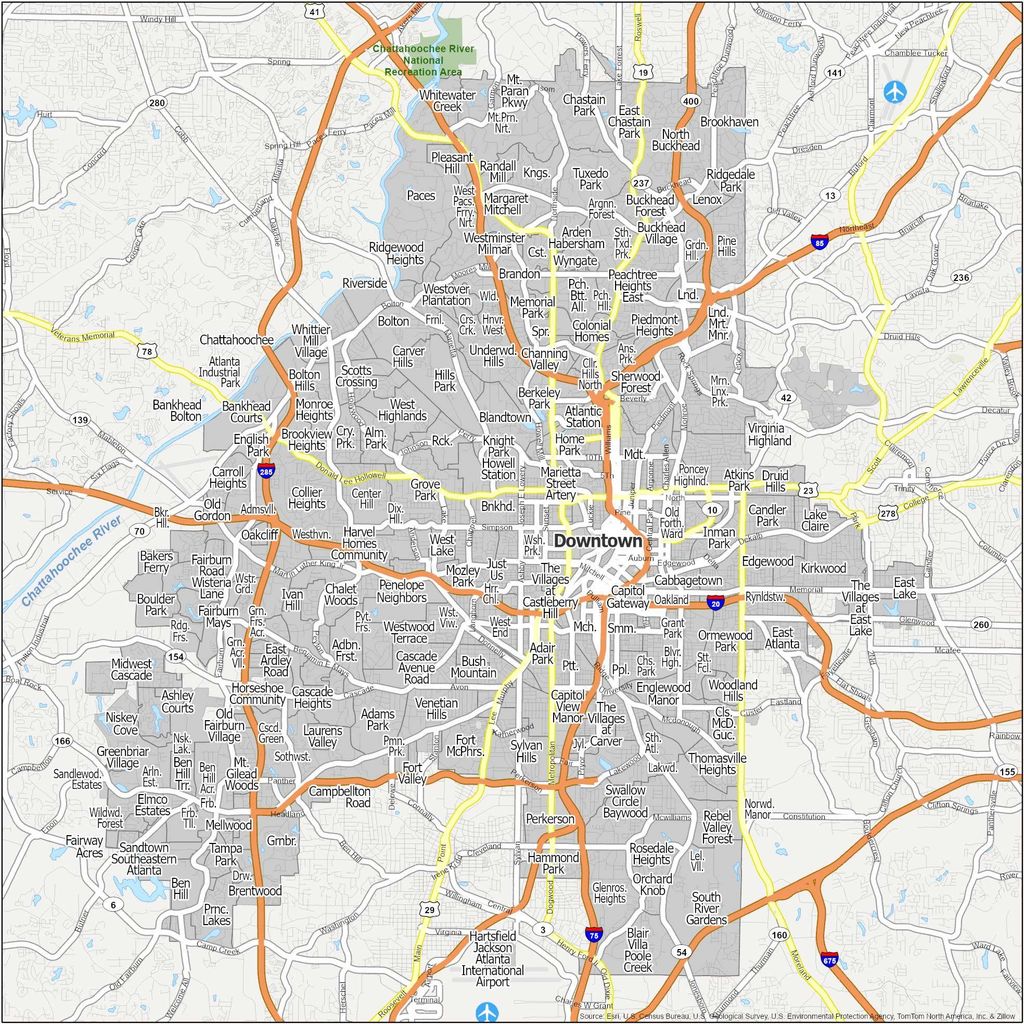
4. The Metro Area Can Feel Extremely Spread Out
Traffic is one challenge. Atlanta's sheer size is another.
When people say they live in Atlanta, they may be talking about the City of Atlanta itself or one of dozens of communities throughout the surrounding metro area. The Atlanta Regional Commission's 11-county planning region alone had nearly 5.3 million residents in 2025.
That geographic spread gives you plenty of choices when deciding where to live, but it can also make Atlanta feel less convenient than a more compact city.
Your job might be in Midtown. Your favorite restaurant could be in Decatur. A friend might live in Marietta. Your child's weekend activity could be in Alpharetta. A concert might be Downtown, while the store you need is somewhere near the Perimeter.
Each destination may be perfectly reasonable on its own. String several of them together during a normal week, and you can end up spending much more time in the car than you anticipated.
That is one of the more subtle downsides of Atlanta living. You do not necessarily notice it during a weekend visit because you are usually staying in one part of town. Once you live here, the location of your everyday activities starts to matter much more.
"Close to Atlanta" Can Mean Very Different Things
This is especially important for people relocating from outside Georgia.
A home listing may describe a property as being in the Atlanta area, but that does not tell you much about what your daily routine will look like. Two communities can both be considered part of metro Atlanta while being far enough apart that casually traveling between them several times a week becomes inconvenient.
Even within the city, major interstates shape how quickly you can move from one area to another. The road network includes I-20 running east and west, I-75 and I-85 running through the region, and I-285 forming the large loop commonly known as "the Perimeter."
That layout is why Atlanta residents often think in terms of sides of town.
If most of your life happens on the north side, choosing a home far to the south simply because you found more square footage for the money could create a lifestyle tradeoff that eventually outweighs the savings.
The same logic applies in every direction.
Before buying, it helps to identify the three or four places you expect to visit most often and map your potential home against all of them, not just your workplace.
Your Social Life Can Become Geographic
The size of Atlanta can even affect friendships and entertainment.
When friends live in different parts of the metro, meeting for dinner may require more planning than simply choosing a restaurant halfway between everyone. What looks like a manageable distance can turn into a frustrating drive depending on the time and direction of travel.
You may eventually find yourself spending most of your time in a relatively small portion of Atlanta.
That is not necessarily a negative. In fact, it is one reason Atlanta's individual neighborhoods develop such distinct identities. People tend to find their regular coffee shops, restaurants, grocery stores, parks, gyms, and entertainment options close to home.
The downside appears when the things most important to you are scattered around the region.
Someone whose job, friends, family, hobbies, and preferred entertainment are concentrated around Midtown and the east side might have a very different experience living in an intown neighborhood than living well outside the city.
Conversely, someone whose office, children's activities, relatives, and favorite shopping are all concentrated in the northern suburbs may have very little reason to live close to Downtown.
This is why asking whether Atlanta is convenient is almost impossible without knowing where someone plans to live.
Public Transportation Helps, but It Does Not Reach Everywhere
MARTA can reduce some of this dependence on driving, particularly when your destinations line up well with the rail system.
The system has 48 miles of rail track and 38 train stations, in addition to bus service and the Atlanta Streetcar. That makes rail particularly useful for certain trips through Downtown, Midtown, Buckhead, and other areas along the existing lines.
Transit is also evolving. MARTA launched its redesigned NextGen Bus Network in April 2026, with the goal of bringing 15-minute service to three times as many metro Atlanta residents. MARTA Reach, an on-demand service operating in designated zones, began rolling out in March 2026.
Those changes expand the options available to residents, but they do not erase Atlanta's geography.
The Atlanta Regional Commission's 2025 commuter survey covered workers across a 20-county region. Among the barriers respondents reported when considering alternatives to their current commute, 44% said transit was not available for their trip, while 47% cited longer travel times.
For a prospective resident, that reinforces an important point: public transportation can be extremely useful when you choose a location that works with it, but you should not assume every Atlanta-area home provides the same level of transit access.
Location Can Be Worth More Than Extra Square Footage
Atlanta buyers sometimes face a tempting choice.
One house gives you another bedroom, a larger yard, and perhaps a lower price. Another is smaller or more expensive but puts you much closer to work, friends, restaurants, or the places you visit every week.
The larger home may look like the obvious value when you compare the listings.
It may not feel that way after six months of driving.
This is where lifestyle math becomes useful. Suppose one location adds just 25 minutes to your normal one-way commute. If you make that trip five days per week, you are adding more than four hours of driving every week compared with the closer option.
And that only accounts for work.
Add school runs, errands, dinners, appointments, children's activities, and weekend plans, and location can become one of the most valuable features a home has.
That does not mean everyone should live as close to central Atlanta as possible. Plenty of buyers intentionally choose suburban communities because they prefer the housing, space, environment, or amenities available there.
The important part is making the trade consciously.
Build Your Atlanta Search Around Your Actual Routine
One of the best ways to narrow down where to live is to create a simple map of the places that will shape your week.
Include:
Your workplace or likely employment area
Schools, daycare, or regular children's activities
Family members you expect to see frequently
Your preferred grocery stores and shopping areas
Parks, gyms, trails, or recreational facilities
Restaurants and entertainment districts you are likely to use
MARTA stations if transit matters to you
Hartsfield-Jackson if you travel frequently
Then compare potential neighborhoods based on how they connect to those places.
Atlanta's 26.5-minute mean commute within the city provides a useful benchmark, but your personal experience can be much shorter or much longer depending on your address and routine.
That is why the best Atlanta neighborhood is rarely just the one with the nicest house or the lowest price.
It is the one that puts you in the right part of the region for the way you actually intend to live.
Atlanta's size creates extraordinary variety. You can choose between urban neighborhoods, quieter residential areas, established suburbs, newer communities, condos, townhomes, and single-family homes.
But that variety comes with a price: you cannot realistically treat the entire metro area as if everything is nearby.
Choosing your location carefully is one of the biggest differences between enjoying Atlanta's size and becoming frustrated by it.
Is Atlanta a Good Place to Live?
For many people, yes. Atlanta can be a very good place to live, particularly if you want access to a large job market, diverse neighborhoods, major-city entertainment, abundant green space, and excellent air travel connections.
But Atlanta works much better for some lifestyles than others.
The region continues to attract new residents. The Atlanta Regional Commission estimated that its 11-county region added 64,400 people in a single year, bringing the population to nearly 5.3 million in 2025. The same organization reported that the region's employment base had grown 8% since early 2020.
Continued growth does not prove that Atlanta is the right place for you, but it does help explain why so many people continue considering the area for work, housing, and lifestyle opportunities.
The better question is whether Atlanta's particular combination of advantages and compromises matches what you want from your next home.
Atlanta May Be a Good Fit If Career Opportunities Matter to You
Atlanta makes a particularly strong case for people who want to live in a large employment center.
The metro supports millions of jobs spread across numerous industries, rather than depending on one dominant sector. That gives workers more room to change employers or career paths without necessarily leaving the region.
Atlanta's long-term growth projections also point toward continued expansion. The Atlanta Regional Commission forecasts both population and employment growth through 2050, although actual growth will naturally vary by industry and location.
That can be especially attractive if you are early or mid-career and want access to a larger pool of employers.
There is still an important location question, though.
Before moving for a particular job, find out exactly where you will work. "Atlanta office" could mean Downtown, Midtown, Buckhead, the Perimeter, or a suburban employment center. Where that office sits should influence where you look for housing, especially if you will commute several days each week.
Atlanta Works Well for People Who Want Choices
Some cities make you choose between an urban lifestyle and a suburban one.
Atlanta gives you much more room to land somewhere between the two.
You can live in a high-rise near Midtown, a bungalow in an established intown neighborhood, a townhome near the BeltLine, or a detached home farther into the metro. That variety is one of Atlanta's biggest strengths because your housing search does not have to follow one particular formula.
The tradeoff is that location and housing cost can change substantially from one area to another.
Within Atlanta city limits, the median value of owner-occupied housing was $439,600 for the 2020 through 2024 Census period, compared with a median household income of $85,652.
Those numbers make it important to decide what you value most.
Would you accept a smaller home to live close to work?
Would you rather have a larger yard even if it means driving more?
Would a condo or townhome give you the location you want at a price that fits your budget?
Would you rather rent for six months or a year before deciding where to buy?
Atlanta gives you enough options to make all of those approaches possible. The challenge is deciding which tradeoffs you actually want to make.
Frequent Travelers Have a Strong Reason to Consider Atlanta
Anyone who travels regularly should put Atlanta's airport near the top of the city's advantages.
Hartsfield-Jackson provides nonstop service to 150 U.S. destinations and 70 international destinations in more than 50 countries.
That can be useful whether you travel weekly for work, have family in another state, or simply want easier access to vacations.
Airport connectivity may not seem like an important housing consideration until you have lived somewhere that requires a connection for most trips. Once you are accustomed to having such a large selection of nonstop flights, it can become one of Atlanta's most difficult conveniences to give up.
If you fly often, it is worth factoring airport access into your neighborhood search as well. Living reasonably close to a MARTA rail line or having a straightforward drive to the airport can make a noticeable difference over time.
Atlanta Can Be Appealing If You Want City Amenities Without Living in a Concrete Jungle
Atlanta's combination of development and greenery is another reason some newcomers are pleasantly surprised by the city.
You can live close to restaurants, entertainment, employers, and cultural attractions while still having access to mature trees, neighborhood parks, trails, and residential streets.
That balance is not identical everywhere in the metro, but it creates more lifestyle combinations than you might expect from a city of Atlanta's size.
Someone who enjoys running, cycling, walking a dog, dining on patios, attending professional sports, visiting festivals, or getting out of town for a weekend can find a lot to like here.
The important distinction is that Atlanta's amenities are spread across many neighborhoods rather than concentrated into one compact downtown.
If you choose the right neighborhood, that variety feels like a benefit.
If you choose the wrong one for your routine, you may feel as though everything you want to do requires getting in the car.
Atlanta May Be a Poor Fit If You Strongly Dislike Driving
This is probably the clearest reason someone may decide against Atlanta.
There are parts of the city where walking, cycling, buses, and MARTA can play meaningful roles in daily transportation. But the metro as a whole remains large and spread out.
If your ideal lifestyle involves selling your car and handling nearly every daily errand on foot or by rail, you will need to be very selective about where you live.
You should not assume that an address with "Atlanta" attached to it automatically provides an urban, walkable lifestyle.
For some people, driving 20 or 30 minutes to meet friends, shop, or attend an activity is no big deal.
For others, it becomes one of the most frustrating parts of living here.
Knowing which camp you fall into is important before buying a home.
Think Twice If Hot, Humid Summers Are a Deal Breaker
Atlanta's mild winters appeal to many newcomers, but the climate does not come without a price.
Summer heat and humidity can make outdoor activities uncomfortable during the hottest parts of the day. Spring pollen can also be particularly difficult for people with serious seasonal allergies.
If you are moving from somewhere with mild summers and spend most of your free time outdoors, visit Atlanta during July or August before making a decision.
A beautiful October weekend will not tell you how you feel about an Atlanta summer.
Likewise, someone moving from Chicago, Boston, Minneapolis, or another cold-weather city may view Atlanta's climate very differently. Giving up long stretches of freezing winter weather may easily outweigh the summer discomfort.
Climate preference is personal, so this is one Atlanta pro or con that statistics cannot decide for you.
Buyers Expecting a Cheap Major City May Be Disappointed
Atlanta can still offer a compelling value proposition depending on where you are moving from.
Someone selling a home in Los Angeles, New York, San Francisco, Boston, or another expensive housing market may find Atlanta pricing attractive.
Someone coming from a smaller town or less expensive part of Georgia may have the opposite reaction.
Atlanta's median owner-occupied home value of $439,600 is a reminder that the city is no longer a place where every buyer can expect a large detached home at a modest price.
That does not mean affordable options are nonexistent. It means you may need to broaden your search by neighborhood, housing type, or distance from the center of the city.
The key is arriving with realistic expectations rather than relying on Atlanta's housing reputation from 10 or 15 years ago.
The Best Way to Decide Is to Test Your Actual Routine
If you are seriously considering moving to Atlanta, spend your scouting trip differently from a typical vacation.
Do not spend the entire visit at tourist attractions.
Instead, try to experience the area as though you already live here.
Drive from a neighborhood you are considering to your workplace during the morning commute. Go to the grocery store. Find a coffee shop. Visit the nearest park. Drive to the airport. Explore the neighborhood after dark. Try the route home around 5 p.m.
If you are considering several parts of the metro, repeat that process in each one.
You may discover that a neighborhood you barely knew before the trip fits your lifestyle better than the area you originally planned to target.
You may also realize that the house offering the most square footage is not necessarily the home that will make your daily life easiest.
That is probably the most important thing to understand about living in Atlanta.
Atlanta is not one lifestyle.
It is a collection of neighborhoods, employment centers, suburbs, entertainment districts, parks, highways, and communities spread across a very large region. The experience you have here depends heavily on how those pieces line up with your personal routine.
For the right person, Atlanta offers an appealing combination of career opportunities, housing variety, entertainment, travel access, greenery, and relatively mild winters.
For someone who prioritizes car-free living, cool summers, short trips between every part of town, or bargain housing prices, the tradeoffs may be harder to overlook.
The goal is not to decide whether Atlanta is universally a good or bad place to live.
It is to figure out whether the version of Atlanta you can realistically afford and access is a good place for you to live.

Frequently Asked Questions
1. What taxes should I expect when moving to Atlanta?
Georgia does have a state individual income tax. For 2026, the state uses a flat individual income tax rate of 4.99%. (dor.georgia.gov)
Homeowners also need to account for property taxes, which can vary depending on the property's location and applicable taxing jurisdictions. Some owner-occupied primary residences may qualify for homestead exemptions, so it is worth checking the specific county and city rules after purchasing rather than assuming an exemption will be applied automatically. For example, DeKalb County requires homeowners to apply for its basic homestead exemption and meet residency requirements.
When comparing homes, look at the actual tax history for each property instead of estimating taxes solely from the purchase price.
2. How can I find out which public school serves a specific Atlanta home?
Do not rely solely on a real estate listing when verifying school assignments.
For properties within Atlanta Public Schools, attendance zones are established by the Atlanta Board of Education, and school assignment is based on the student's primary residence. APS provides an official School Zone Locator where you can enter an address and identify the assigned elementary, middle, and high schools.
If you are considering a property outside Atlanta Public Schools, verify the address directly with the appropriate local school district. This is especially important when comparing homes near city or county boundaries.
3. What do I need to do with my driver's license and vehicle after moving to Georgia?
New Georgia residents have 30 days after moving to transfer an out-of-state driver's license to a Georgia driver's license. The license is handled through the Georgia Department of Driver Services.
You also have 30 days from the date of your move to register your vehicle in Georgia. Vehicle registration is handled through the Georgia Department of Revenue and the appropriate county tag office.
Because a Georgia address and proof of residency are commonly required for these tasks, keeping a utility bill, bank statement, lease, closing document, or other accepted proof of your new address handy can make the transition easier.
4. Should I still get a home inspection when buying a newer Atlanta home?
In most cases, yes.
A newer home can have fewer age-related maintenance concerns, but that does not mean every component was installed perfectly. An independent inspection can help identify issues involving roofing, drainage, electrical work, plumbing, HVAC systems, windows, grading, and other parts of the property before you close.
For new construction, buyers can also consider inspections at different stages of construction when the builder and contract allow it. If the home comes with a builder warranty, review exactly what is covered, how long the coverage lasts, and how warranty claims need to be submitted.
An inspection is not about assuming something is wrong. It is about understanding what you are purchasing before taking ownership.
5. Can I buy a home in Atlanta before I actually move there?
Yes, and relocating buyers do it regularly, but the process benefits from more preparation than a local move.
Start by narrowing your search to a manageable group of areas based on budget, housing preferences, and the places you expect to visit regularly. From there, virtual showings can help eliminate properties that are not worth pursuing.
If you become serious about a home while you are still out of state, ask for a detailed video walkthrough rather than relying only on listing photos. Pay attention to the street, neighboring properties, exterior condition, noise, lot layout, parking, and other details that photographs may not show clearly.
You can also arrange inspections and review documents remotely, but if your schedule allows it, seeing the property and surrounding area in person before making the final commitment can provide valuable context.
For a relocation buyer, the goal is not simply to find a house you like. It is to make sure the location works once Atlanta becomes part of your normal daily routine.
Check out this article next